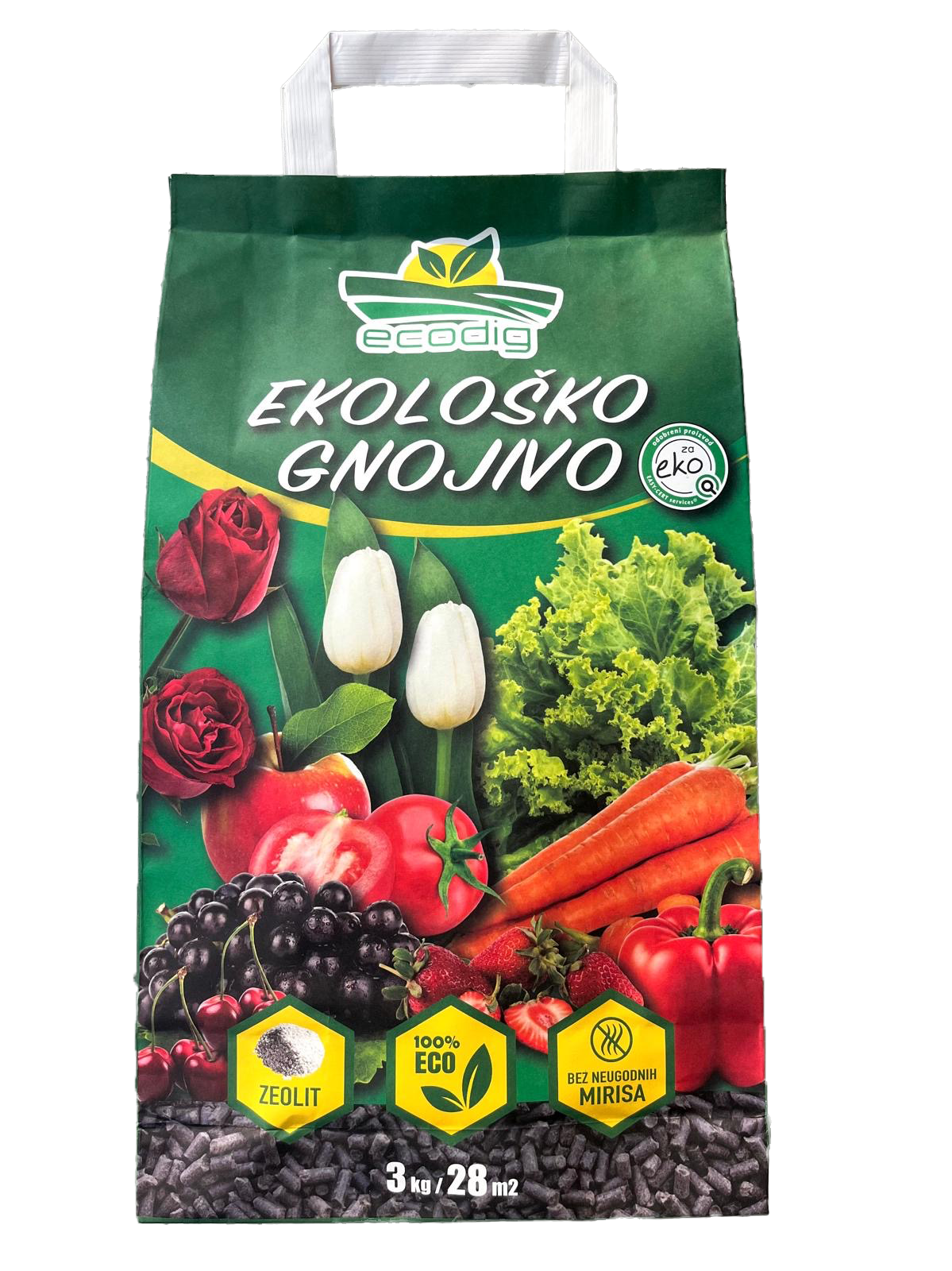
Feeding tomatoes without stressing the plant or guessing the dose

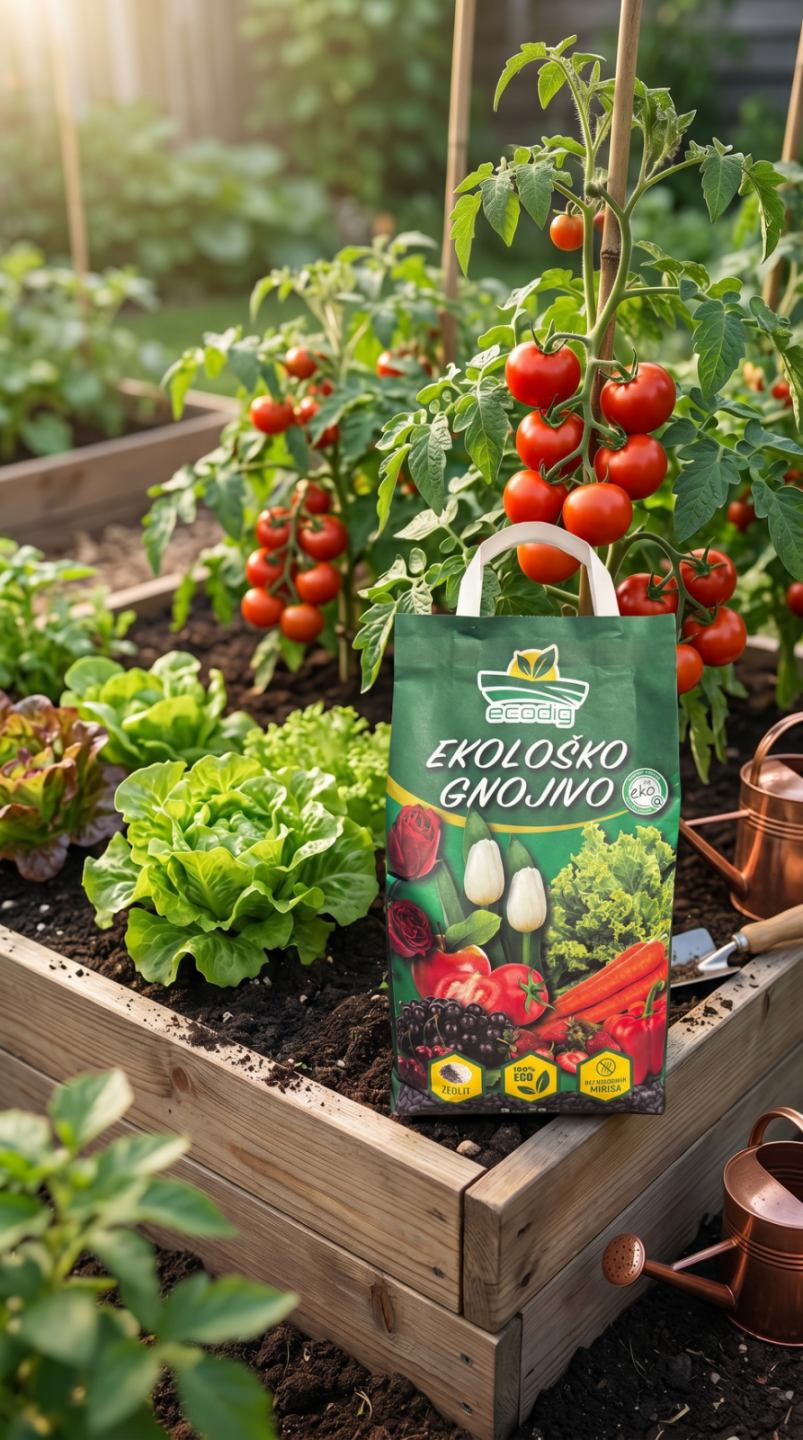
With tomatoes, the most common mistake is adding too much nutrition at the wrong time. The plant then pushes foliage, while fruiting slows down or quality drops. A better approach is steady support across the key stages of development.
1. Give the plant a calm start after transplanting
During the first days, tomatoes are adapting to the new soil. At that stage, stable moisture and root establishment matter more than forcing a quick green surge.
2. Increase feeding as the plant demand grows
Once the plant settles and enters active growth, organic feeding helps keep development even and controlled. This is especially useful when you want a healthy plant without abrupt growth swings.
3. Keep watering and feeding in rhythm
If watering is unstable, feeding rarely performs at its best. Tomatoes respond better to consistency than to occasional heavy doses.
4. Read the leaves and growth habit, not only the calendar
Leaf colour, growth pace, and flower formation are often better signals than a rigid schedule. Organic fertiliser works best when it supports the plant before problems escalate.
For product guidance, dosage advice, or ordering details, contact us through the contact page.